When it comes to camping, the quality of tent zippers cannot be compromised. Imagine tucking in for the night after a very rainy day of camping, only to find that the tent zipper refuses to zip close and its teeth has come loose. Without a repair kit and replacement zipper on hand, the campers will soon be in for a very wet, cold, and windy night.
Its important to look for high quality and top grade zippers while choosing your tent. There are some which are simply not stable and can break because of pressure as they start to become rusty and tarnish due to the exposure of light. There are mainly two types of zippers,
- Coil Zippers
- Tooth zip, which is also known as the Vislon or “chunky” zip
How to Take Care of Tent Zippers
- Always keep the tent and its zippers free from grit and dirt. After using the tent, shake it out to remove the dust and dirt, and wipe the zippers with a piece of cloth.
- Don’t force zippers if they refuse to budge. If fabric somehow gets caught in the teeth, gently work it out instead of pulling on it. The slider or coil can be easily damaged if the zipper is pulled too hard.
- Use zipper lubes so the tent can be zipped up smoothly and without snags. However, do take note that applying lube or any other grease-based product on the zipper makes it more prone to dirt and dust. Wipe and clean the zippers fairly regularly if lubrication is used.
Here are some tools to fix some of the problems:
A Set of Pliers

Normal pliers or tool like plass, will help fix the uneven teeth of the zipper. If you don’t really have the set of pliers needed to fix the zippers, then you can also use bi-scrip/locking tool to fix the teeth back which people normally prefer to have better grip.
Glue
Glue can basically help us fixing the torn out zipper from your tent, it increases the stability and shields the tent. The best glues which are available in the market right now are as follows:
- Tear Mender TG06H Fabric and Leather Adhesive
- Beacon FT4D Fabri-Tac Adhesive
- Permatex Fabric Repair Kit 25247
- Silnet Glue.
Lubricant/Oil/Crayon/Grease

Sometimes, the zippers get stuck in the middle and doesn't move back or forth. A Lubricant/Oil/Crayon or Grease (anyone of these) can help smooth it out and keep the canvas tent zippers intact.
Spare Zippers or Zipper Parts

It’s important to keep spare zippers, just in case a zipper gets broken and you need to get rid of the insects and bugs.
Bit by Bit Process
Identify the problem: There might be various reasons due to which your zippers might not work properly. For example, stuck zippers, broken slider, and teeth that won't clinch are only some of these common issues. To resolve these problems you first need to understand what is causing your zipper not to work properly.
Apply lubricant: If your zipper is not working properly and it is getting caught, take a graphite pencil and rub it on the teeth of zipper. If this trick doesn’t work then you need to apply lubricant, which is not oil based. Also check the slider as sometimes it comes out which may cause it to stop clinching the tent's zipper teeth together.
Check stuck fabric in the zipper: Occasionally, you may discover that your zipper or slider is not working properly because of a piece of thread or cloth that is stuck in the zipper. When this thing happens, the first important thing to remember is to be gentle. This tip is important because you do not want to ruin your tent by creating any tears or rips. Pull your zipper to the direction where it is going from where it is stuck, and pull the fabric in the opposite direction.

Properly position the locking pliers: Make sure you use locking pliers when they are in locked position. Use the screw adjustment, when closing on the zipper slider. Be careful when clamping the zipper slider. Ensure that you do not clamp the zipper fabric or zipper pulls. Remove the pliers and slightly tighten the screw adjustment. A 1/8th or 1/16th of a turn would be enough. Remember to apply the slightest pressure possible to both sides of your zipper slipper when re-applying it.
Clamp down the locking mechanism, after you place the locking pliers again to its right position on the zipper slider. Make sure that the locking pliers lock moderately as you clamp down. On both sides, press the zipper slider using the same setting before you change anything. You may need to do a few tries using successively tighter settings on your locking pliers, but rest assured that your tent zipper will zip properly again.
Determine if the slider needs replacement: Zipper will not be able to work if the slider is broken. So if in case this happens ensure that you have another slider to fix your tent zipper.
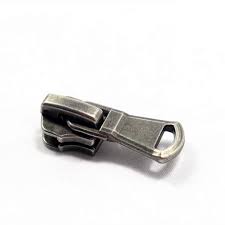
To replace the slider, firstly locate the broken zipper and then remove the zipper stops with the help of pair of pliers. Pull down the zipper slider to detach it from the zipper till the point where it starts. Next you will have to put the top at the top and bottom and use the pliers to crimp the bottom and top stop. To make sure that it works fine, slide the zipper up and down. Lastly, apply some glue on the zipper's bottom.
When you are buying the outdoor shelter, quality of the zippers is very important to check as it is the crucial factor before making the purchase.
Ways to make your zipper lasts longer
Here are some quick tips that will not surely prevent your zipper from early damage.
Never force your zipper: which means don’t over stuff your tent as this will put weight on zipper especially when closing the tent. Never force your zipper that is stuck, instead do it gently, hold the zipper’s track using your one hand and back the slider up. Free the stuck textile by sliding the zipper from one side to the other.
Regularly clean your zippers: Without proper maintenance your tent zipper will less likely live longer especially when it continuously accumulates dirt and grit between its zippers. Regularly clean your zipper as it takes a very less time to clean it and remove all impurities that accumulate into the teeth which may impede the free movement of your zipper.
Sea salt can be one of the destructive elements to your tent zippers, so make sure that you do the cleaning after your tent gets near to the sea. Use cool and fresh water when rinsing your tent zippers.
Lubricate the zipper: This tip is one of most effective ways of prolonging the lifespan of your tent zipper. Zippers also deserve to have healthy teeth and body, so go an extra mile in taking care of it by applying a dry grease on zipper tracks and post ends. While applying lubricant is generally helpful, it is also important to take the type of lubricant into account if you decide to use one. Manufacturers have come up with several products which they design specifically for outdoor gears, and these items are what typically works best for your tent zippers. Some campers, hikers, and backpackers do not recommend the use of wax as this lubricant may cause dirt to get stuck in the zipper while scented wax has the tendency to attract bugs and other insects.

Greasing your tent zippers up is a great way to protect your gears. Greasing up the tent zippers is one effective way to keep them running. Before applying any lubricant, make sure you have cleaned the zipper because you want to avoid catching any dirt in your tent zipper. You may have also come across various zipper lubricant products. You may use pastels or powdered graphite. Others use beeswax which they can soften using a hairdryer or a heat gun to make it quick-to-apply whereas some people prefer using Teflon-Silicone Lubricant which allows easy handling of the tent zipper.